Maritime Incident Documentation
A 45-year-old standby vessel drifted unmanned for 210 days across 3,200 nautical miles of the South Atlantic before running aground at Long Bay, Barbados.
Investigation Summary
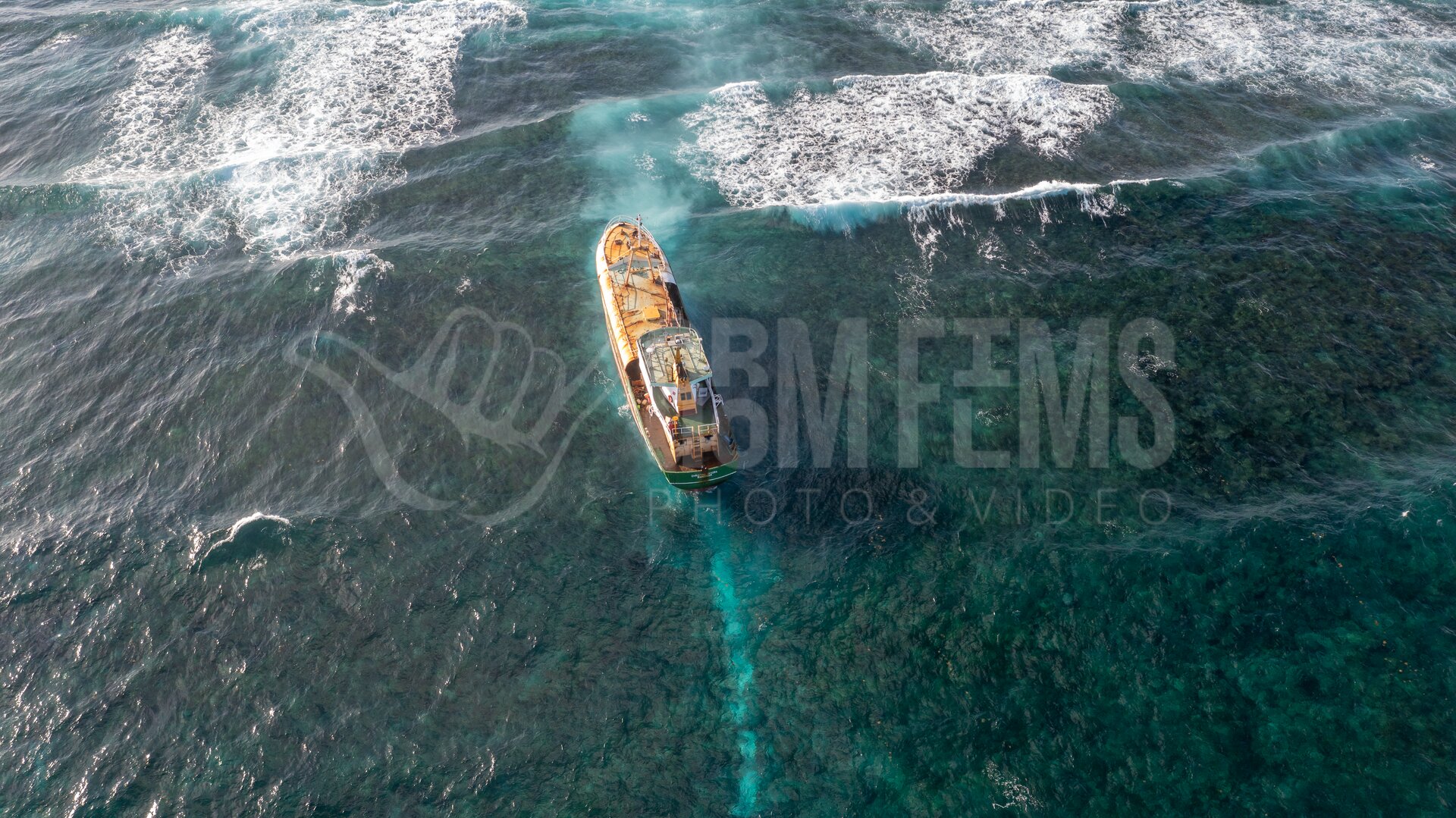
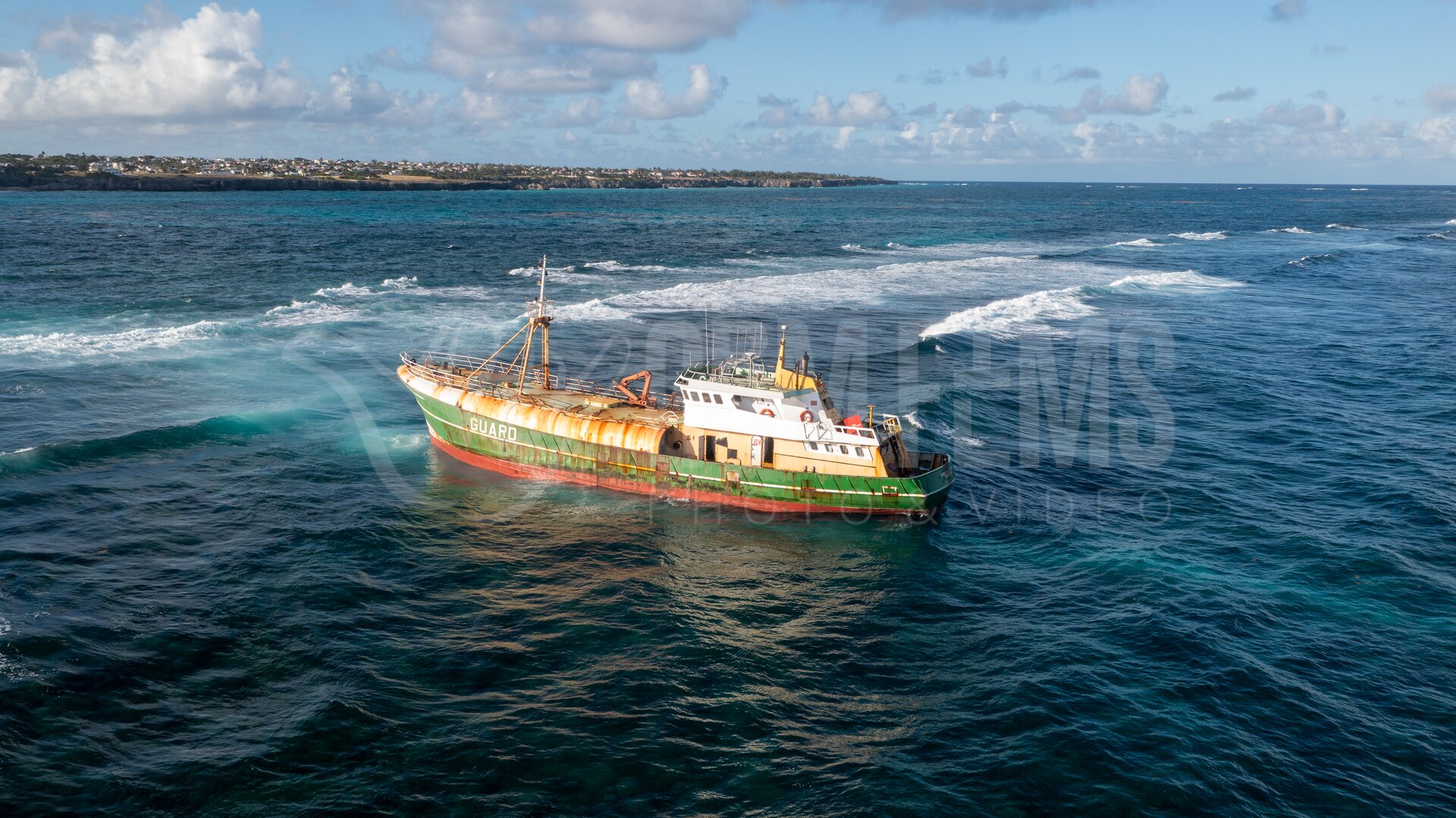
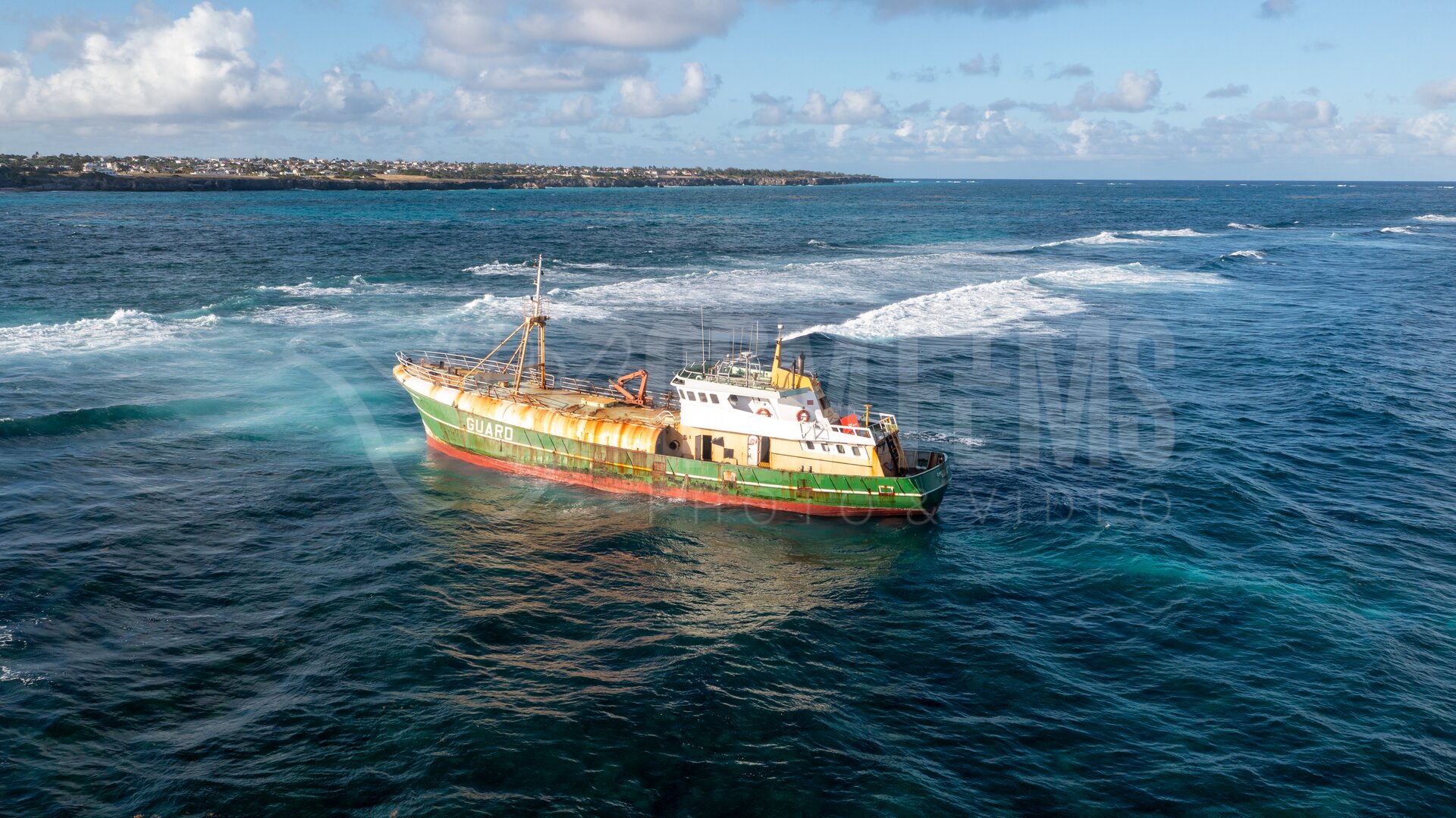
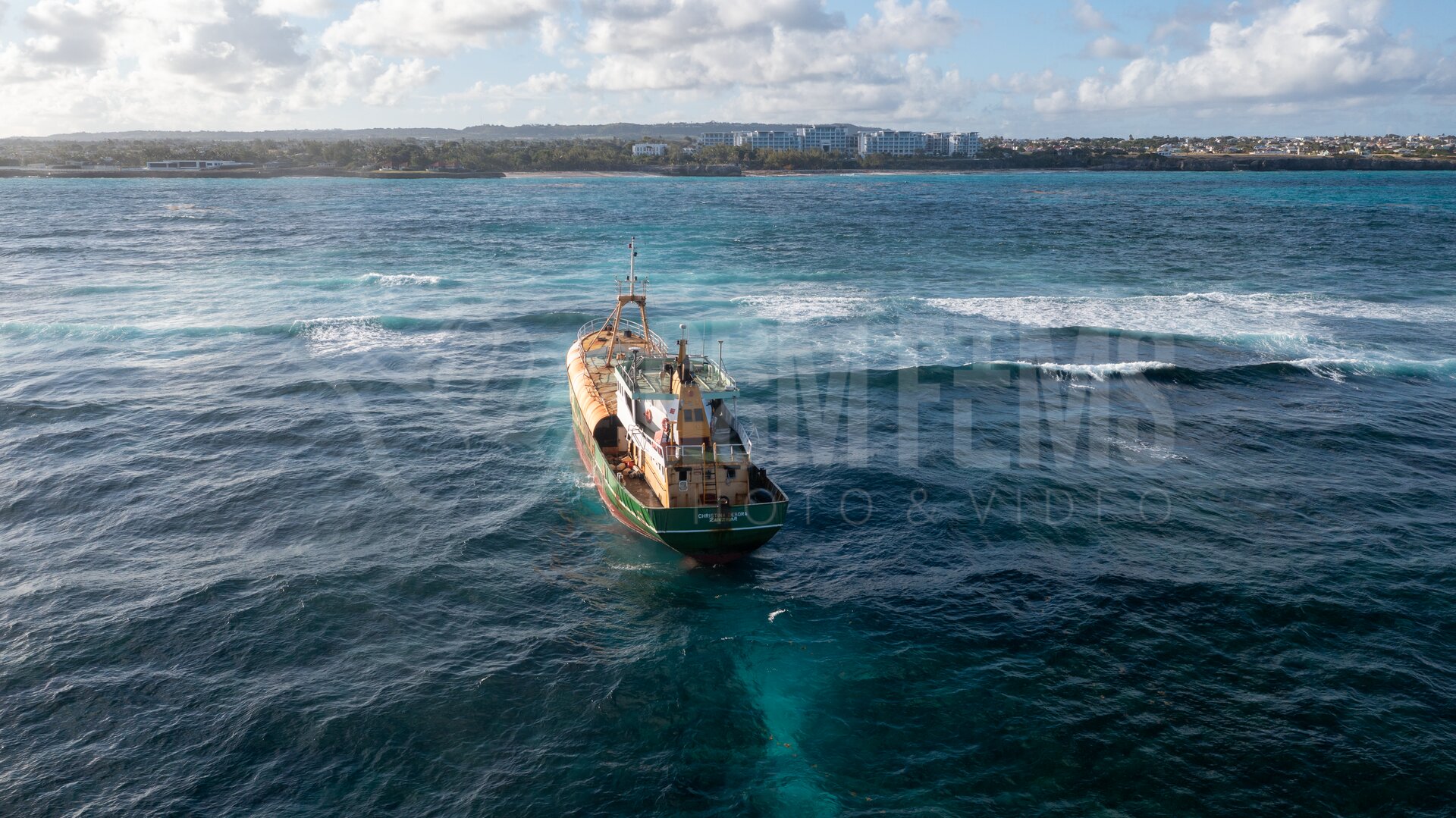
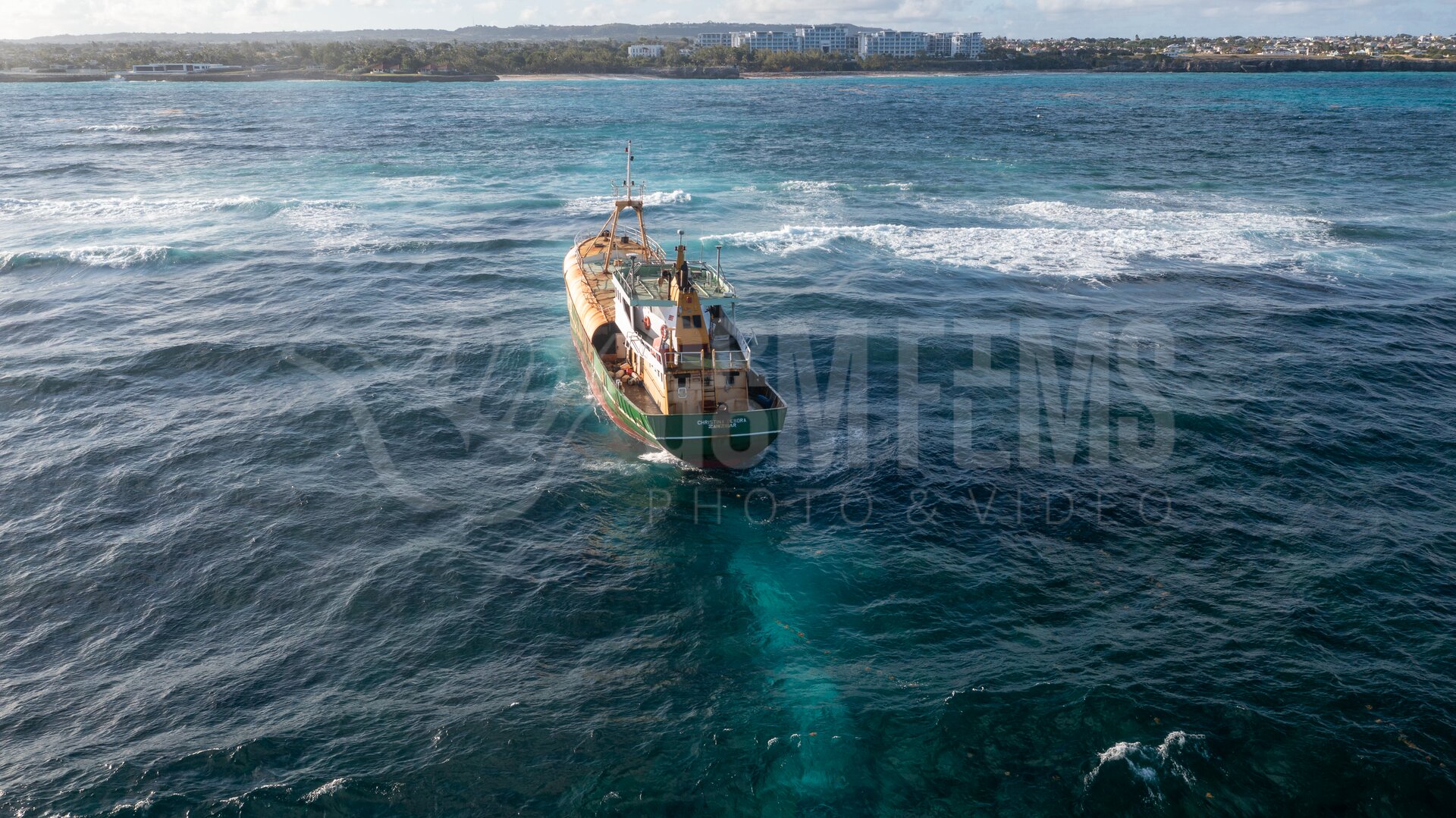
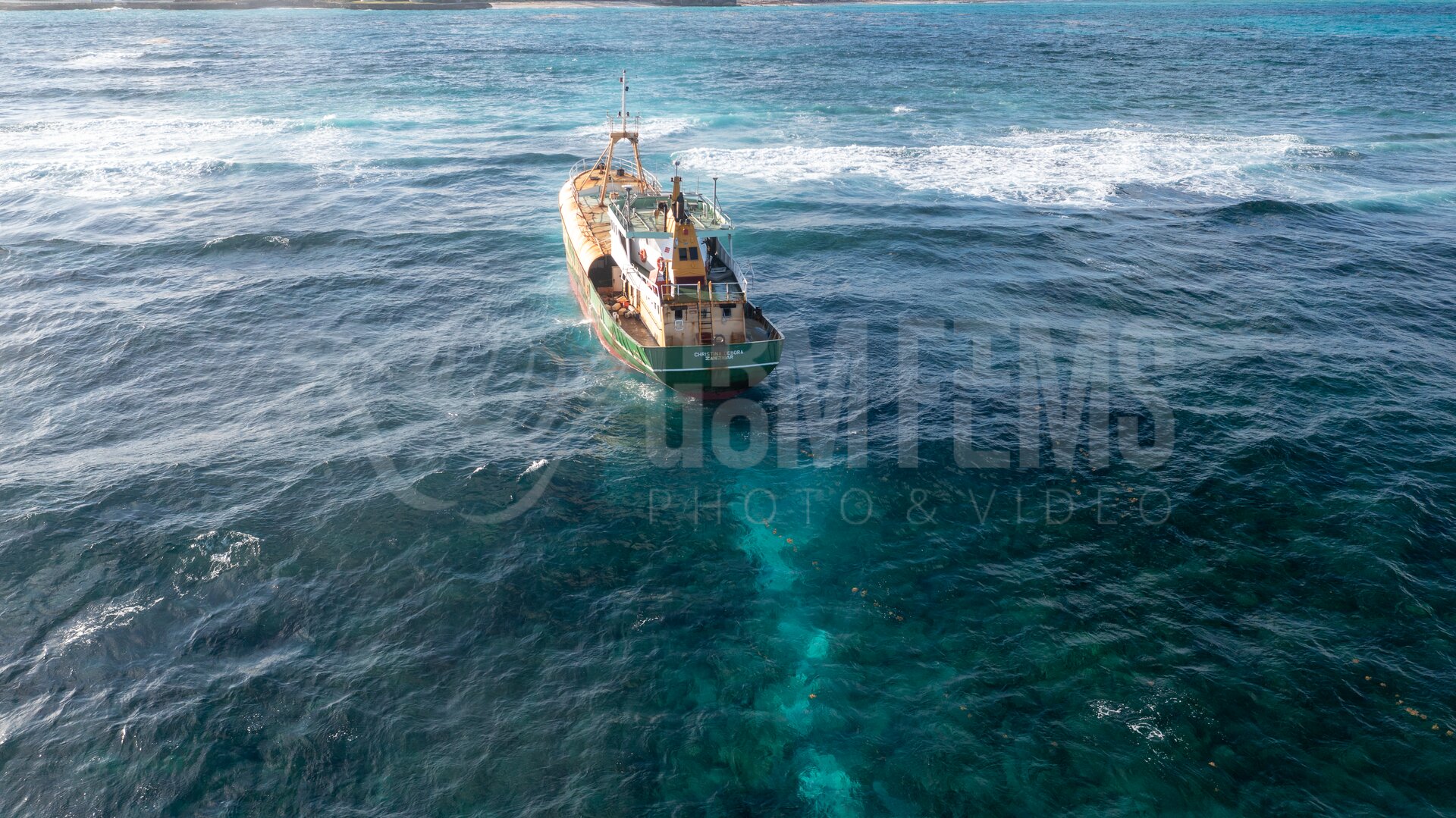
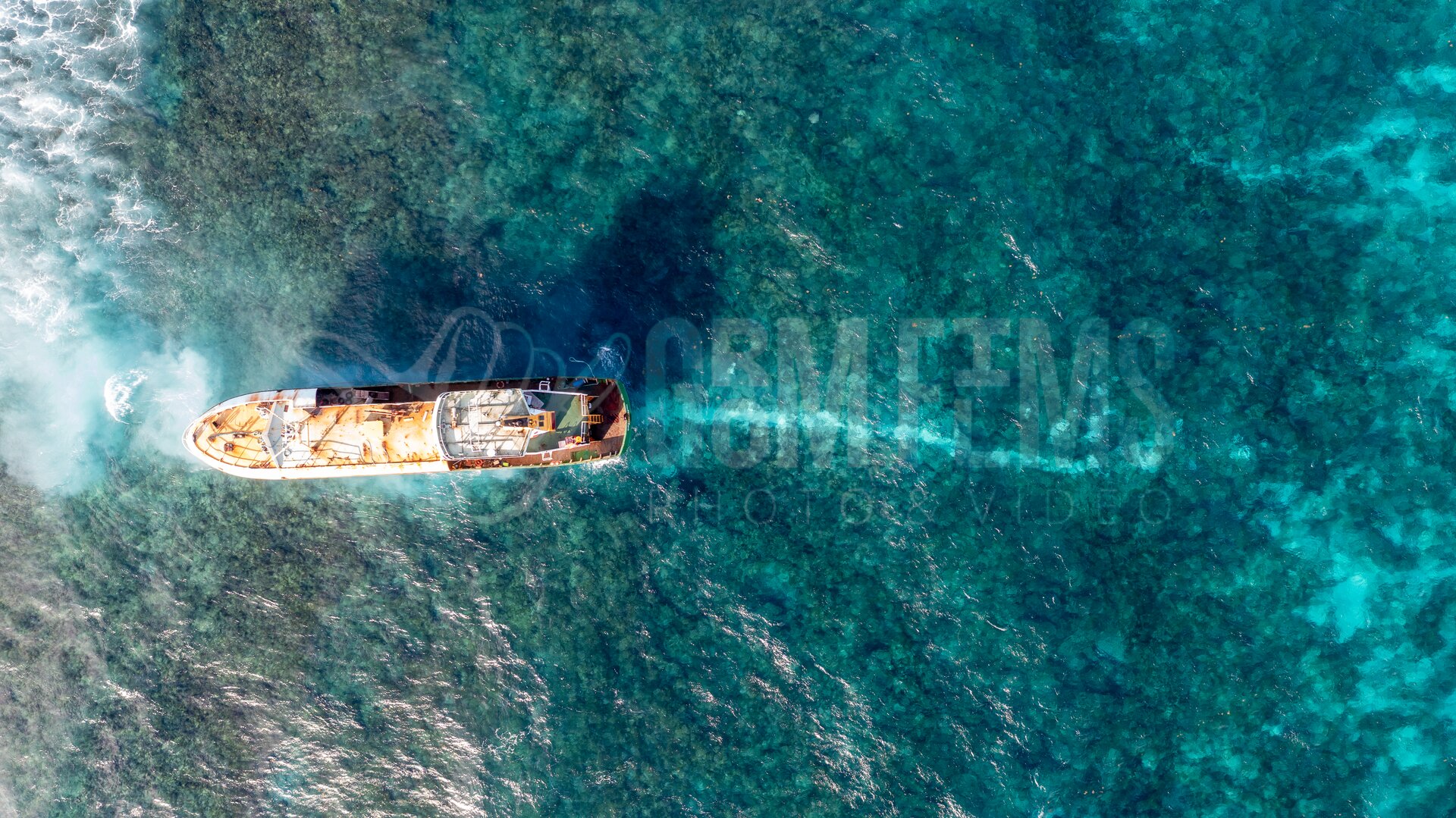
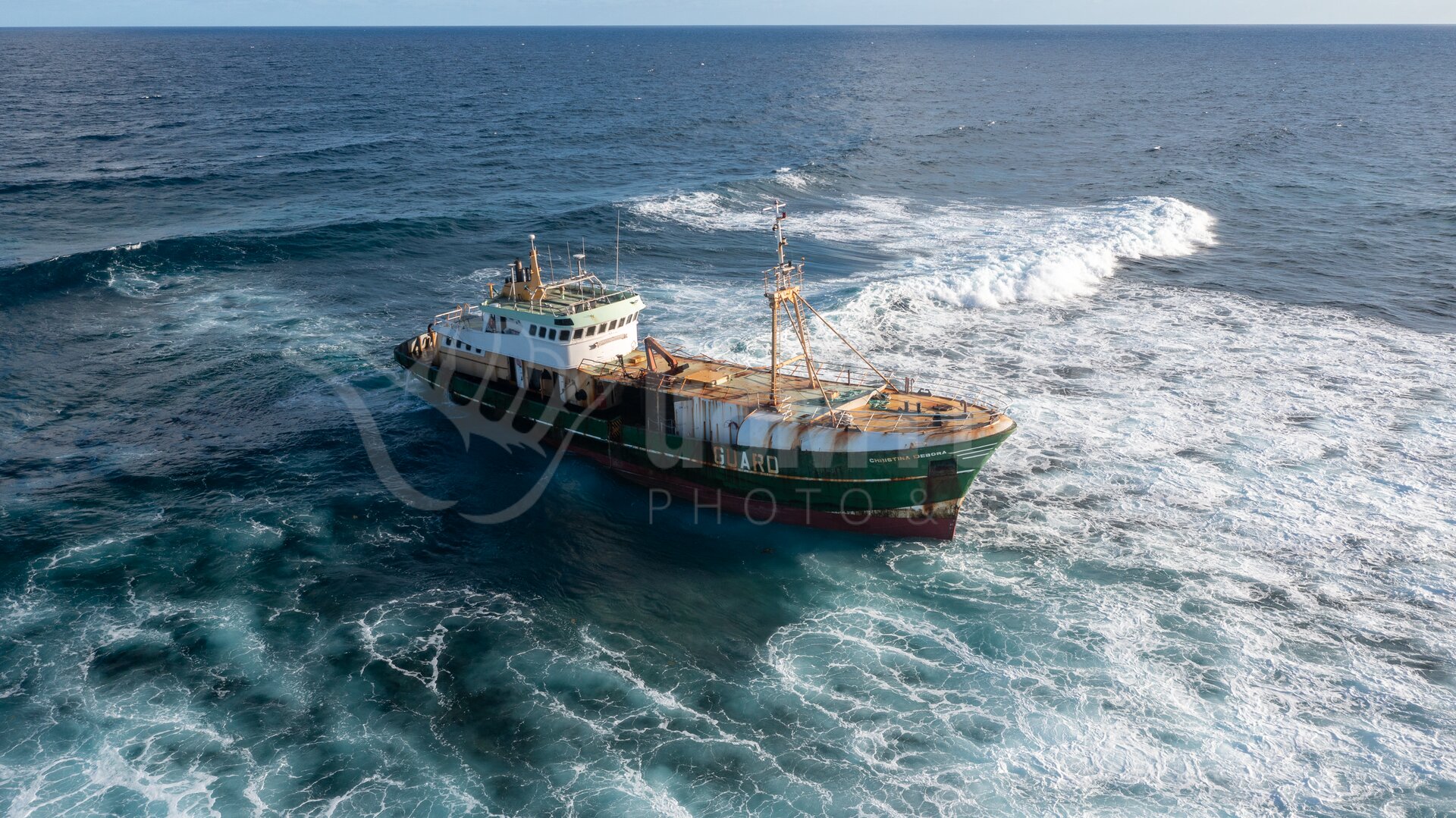
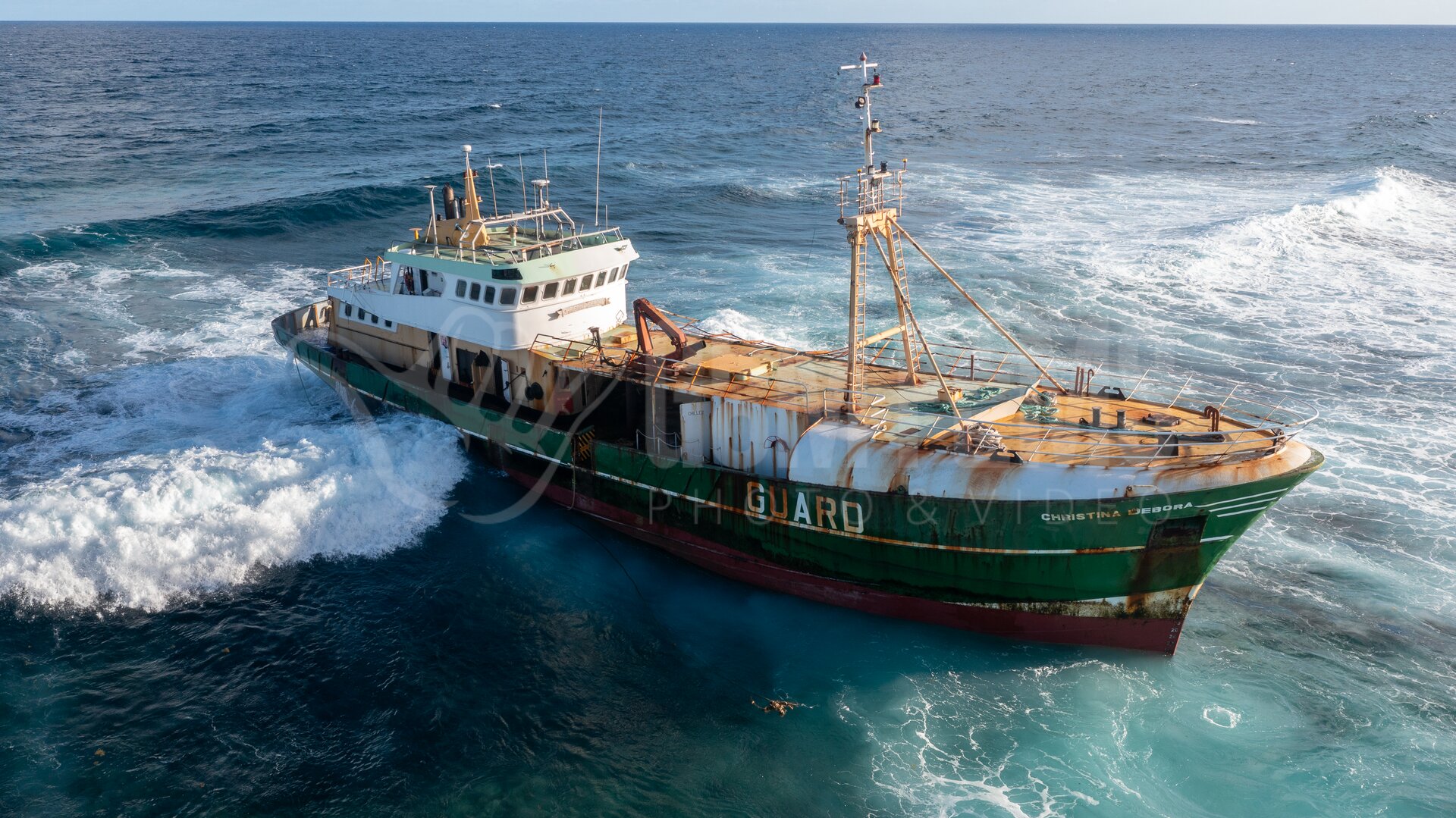
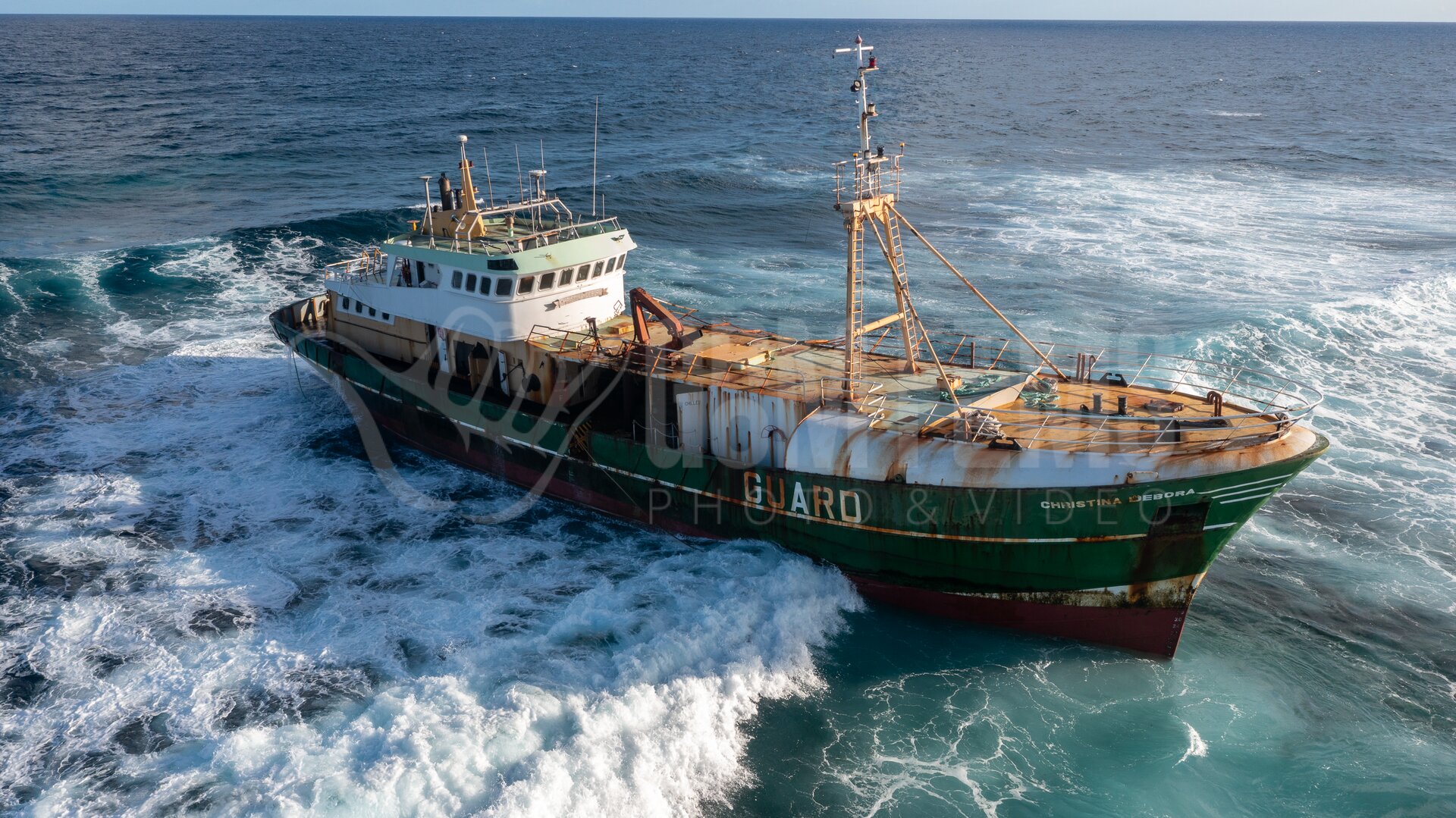
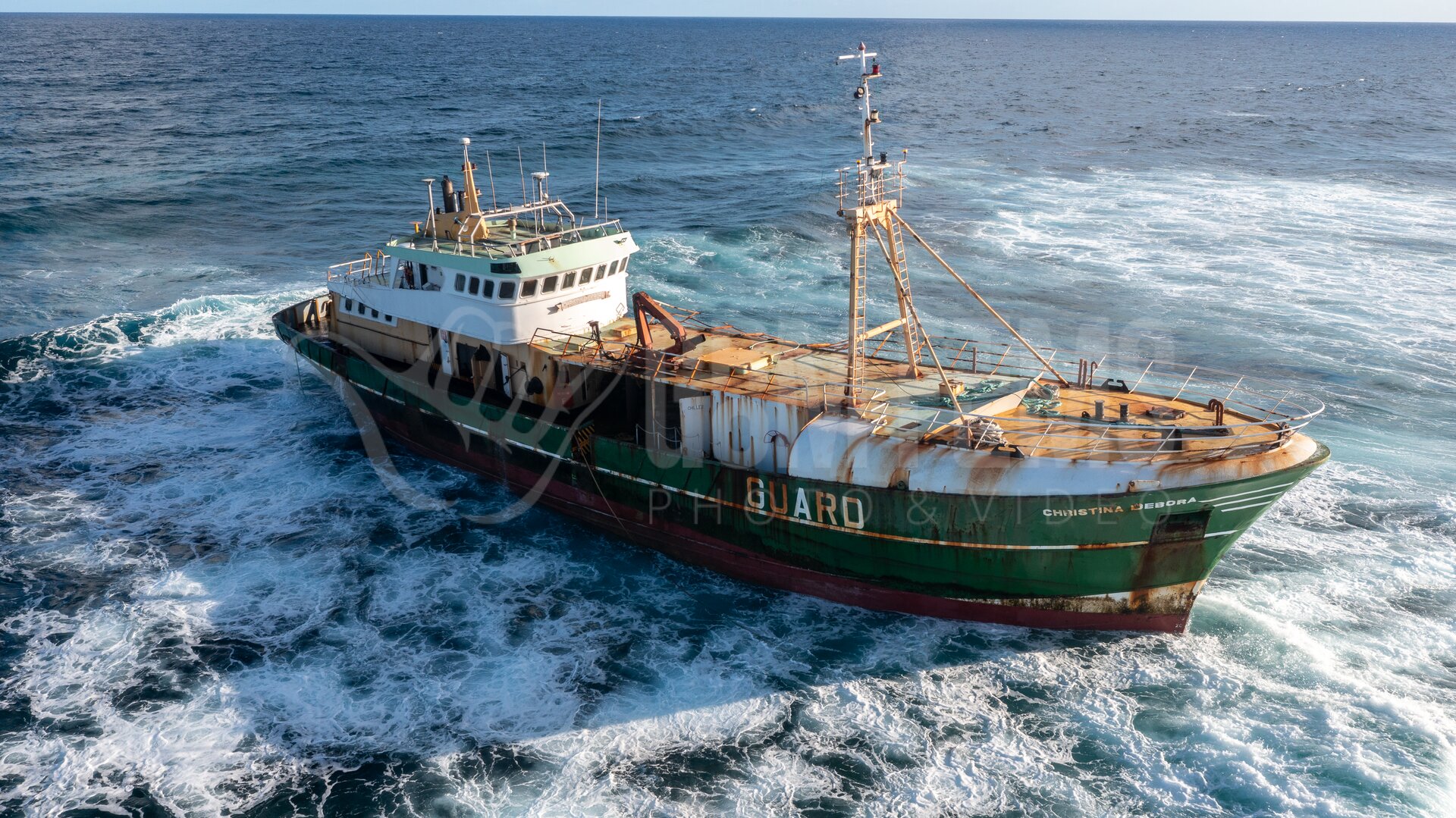
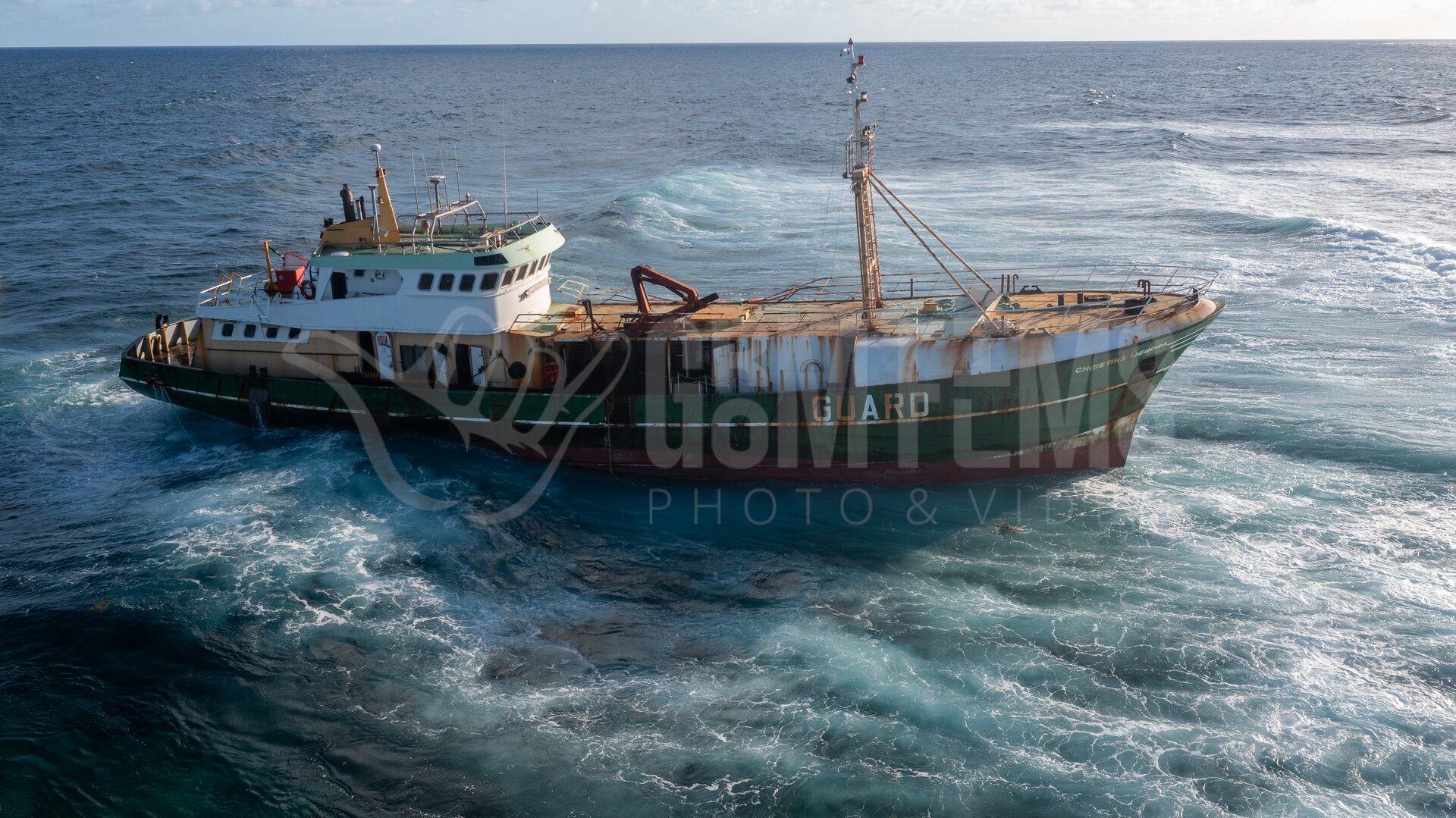
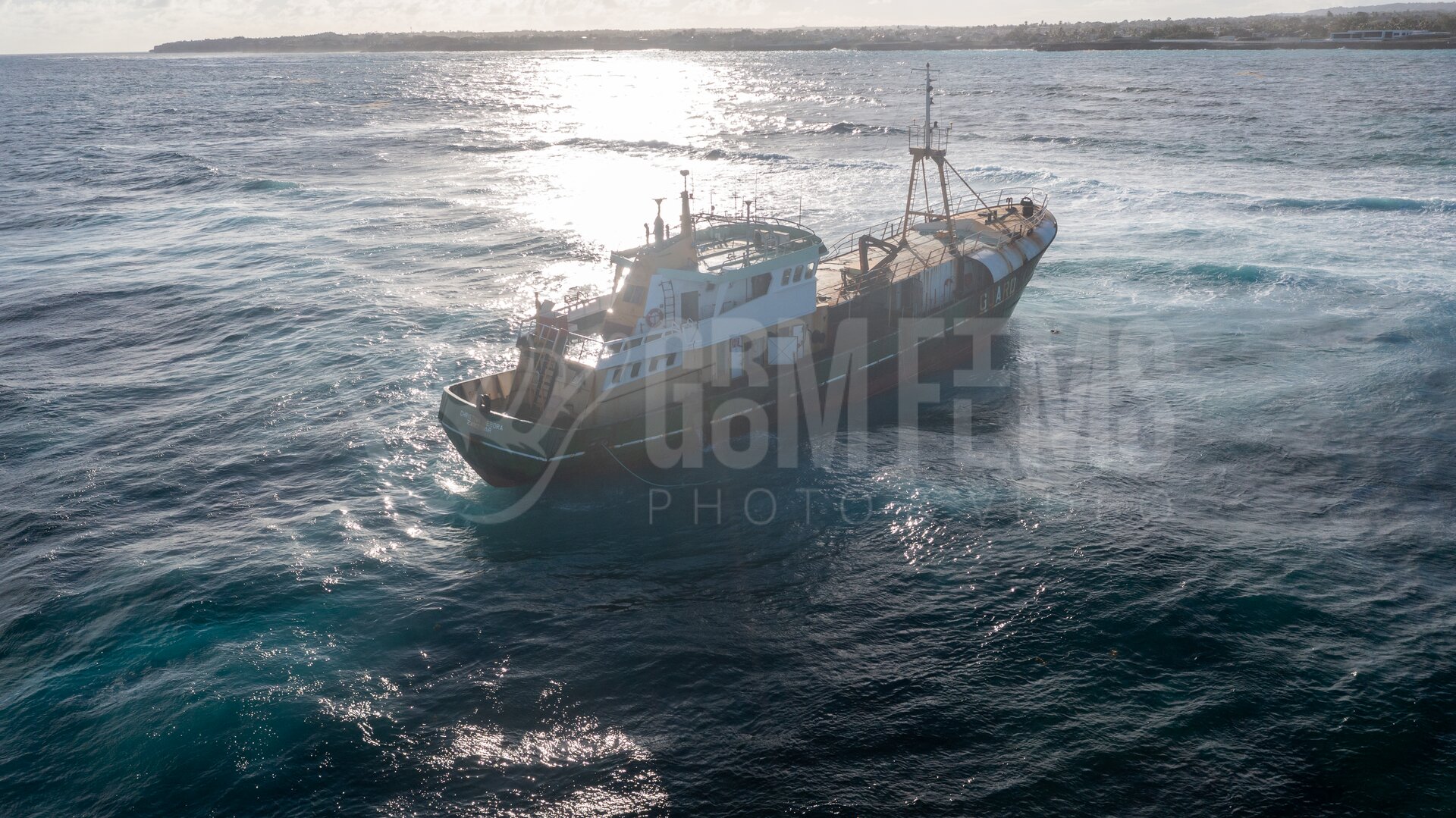
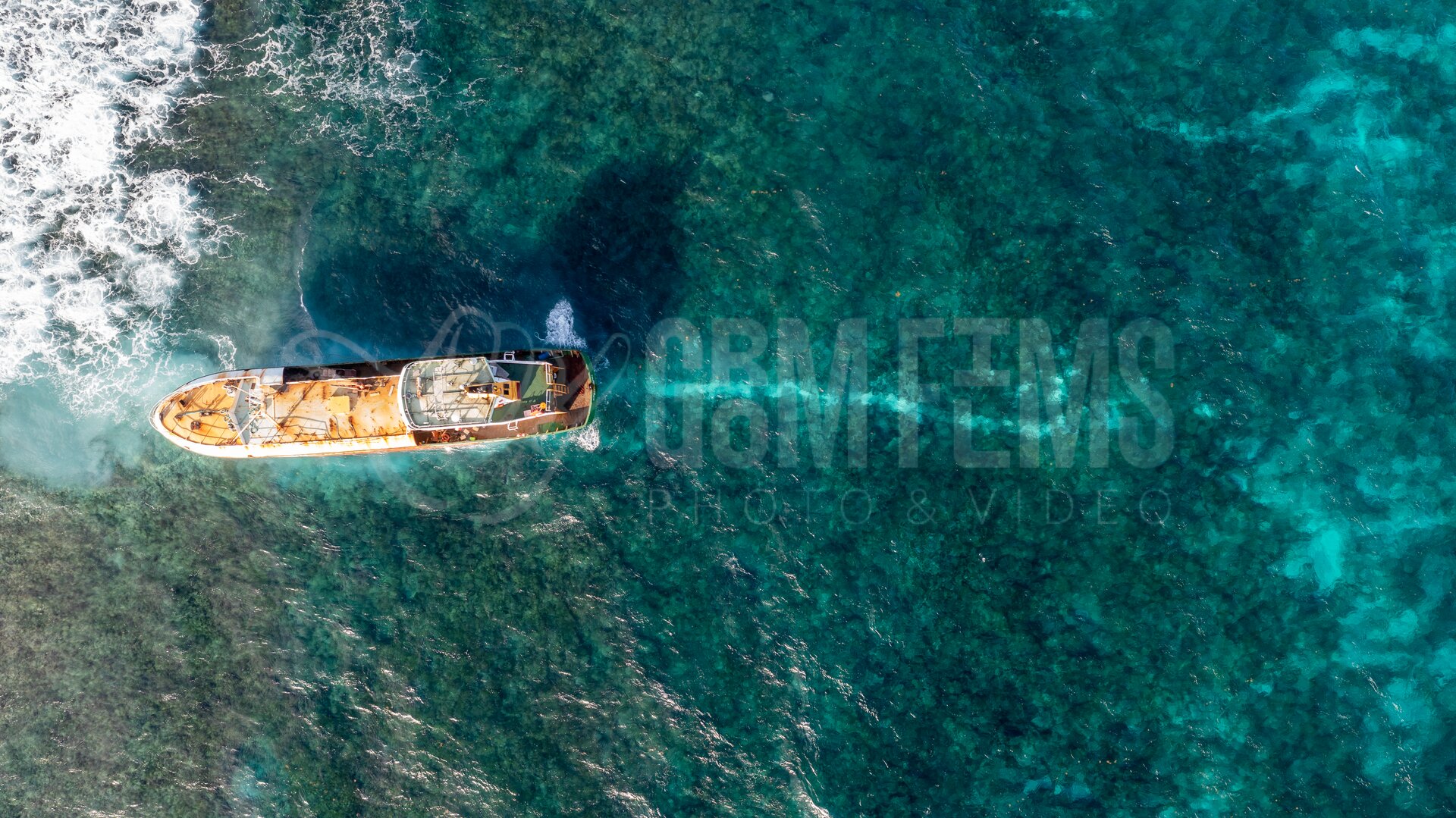
On January 28, 2026, the motor vessel Christina Debora (IMO: 7931064) ran aground on the fringing reefs of Long Bay, St. Philip, Barbados. The vessel arrived without crew, power, or active command, ending a seven-month unmanned drift across the South Atlantic Ocean.
Through AIS telemetry, historical casualty records, and environmental data analysis, investigators confirmed this is the same hull abandoned near St. Helena in June 2025 following catastrophic mechanical failure. The vessel drifted approximately 3,200 nautical miles, carried by the South Equatorial Current.
The vessel's high forward superstructure acted as a sail, with the Trade Winds driving it westward at an average speed of 0.6 knots.
The Christina Debora was part of the "shadow fleet," operating under flags of convenience with a documented history of regulatory violations, including a 2022 oil spill detention in Cape Town.
Incident Timeline
June 8, 2025
Approximately 350 miles northwest of St. Helena, the vessel suffers a catastrophic clutch pack failure, leaving her without propulsion. The seven-person crew begins drifting while attempting repairs.
~350nm NW of St. HelenaJune 11, 2025
An urgent request for private assistance is received. The crew attempts temporary repairs, hoping to reach St. Helena within 24 hours for a permanent fix.
June 19, 2025
Heavy swells stress the temporary clutch repair beyond its limits and it fails. With the clutch deemed irreparable at sea and negotiations with Ascension authorities fruitless, evacuation becomes the only option.
June 22, 2025
As weather rapidly deteriorates, a formal distress call is transmitted to MRCC NATAL. That evening, the container ship MV Theseus (en route from Baltimore to Indonesia) rescues all seven crew. The Christina Debora is abandoned.
~350nm NW of St. HelenaJune 29, 2025
MV Theseus arrives in Cape Town at 07:00. The port control tender "Condor" transfers the rescued crew to shore. The Theseus departs at 08:20 for the Indian Ocean.
June 29, 2025 — January 28, 2026
The abandoned vessel drifts west, carried by the Benguela Current and then the South Equatorial Current. Her high superstructure acts as a sail, with Trade Winds driving her at 0.6 knots across 3,200 nautical miles.
January 28, 2026
The vessel strikes Cobblers Reef at Long Bay, St. Philip, Barbados. This is the same reef system where the Norwegian barque SV Nordenskjöld wrecked in 1910.
13.127°N, 59.430°WDrift Route
Vessel Profile
The vessel's history reveals a trajectory common to end-of-life tonnage operating on the margins of the maritime industry.
The vessel spent much of its recent service life in Cape Town and Namibia, associated with Erongo Fishing (Pty) Ltd as a support vessel for the mid-water trawl fishery.
The vessel transitioned from the Cook Islands registry to the Tanzanian flag, often regarded as a "grey list" flag used to minimize regulatory scrutiny.
Detained by SAMSA following a pollution incident. Fined R60,000.
Incident Location
Long Bay is located on the southeastern coast of Barbados. This coastline is a high-energy environment, directly exposed to the Atlantic swell.
The coast is protected by a jagged fringing reef system known as Cobblers Reef. The Christina Debora struck the outer reef crest, driven hard aground by ocean swells.
The area is characterized by cliffs and small pocket beaches. Accessing the wreck from shore for heavy salvage machinery is difficult due to cliff topography.
A Documented Pattern
The Christina Debora follows a proven oceanographic route. In May 2006, a small boat carrying 11 migrants from Senegal drifted the same path to Barbados over four months. And in February 1910, the Norwegian barque SV Nordenskjöld wrecked on this very reef. The hydrography of St. Philip acts as a natural catchment for vessels approaching from the east.
Risk Assessment
Although not a tanker, the vessel carries pollutants inherent to its operation. Even "empty" tanks contain unpumpable residues. Hydraulic systems contain significant oil volumes.
Long Bay experiences Sargassum accumulations. If oil is released into a Sargassum mat, it creates a toxic biomass that is extremely difficult to clean.
The vessel lies in a high-energy surf zone. Reef groundings cause point-loading stresses that snap steel frames. Continuous surf will accelerate hull breakup.
Classified as a Constructive Total Loss with no economic value in refloating. The financial burden will likely fall on the Barbados government.
Documentation
Sources & References